
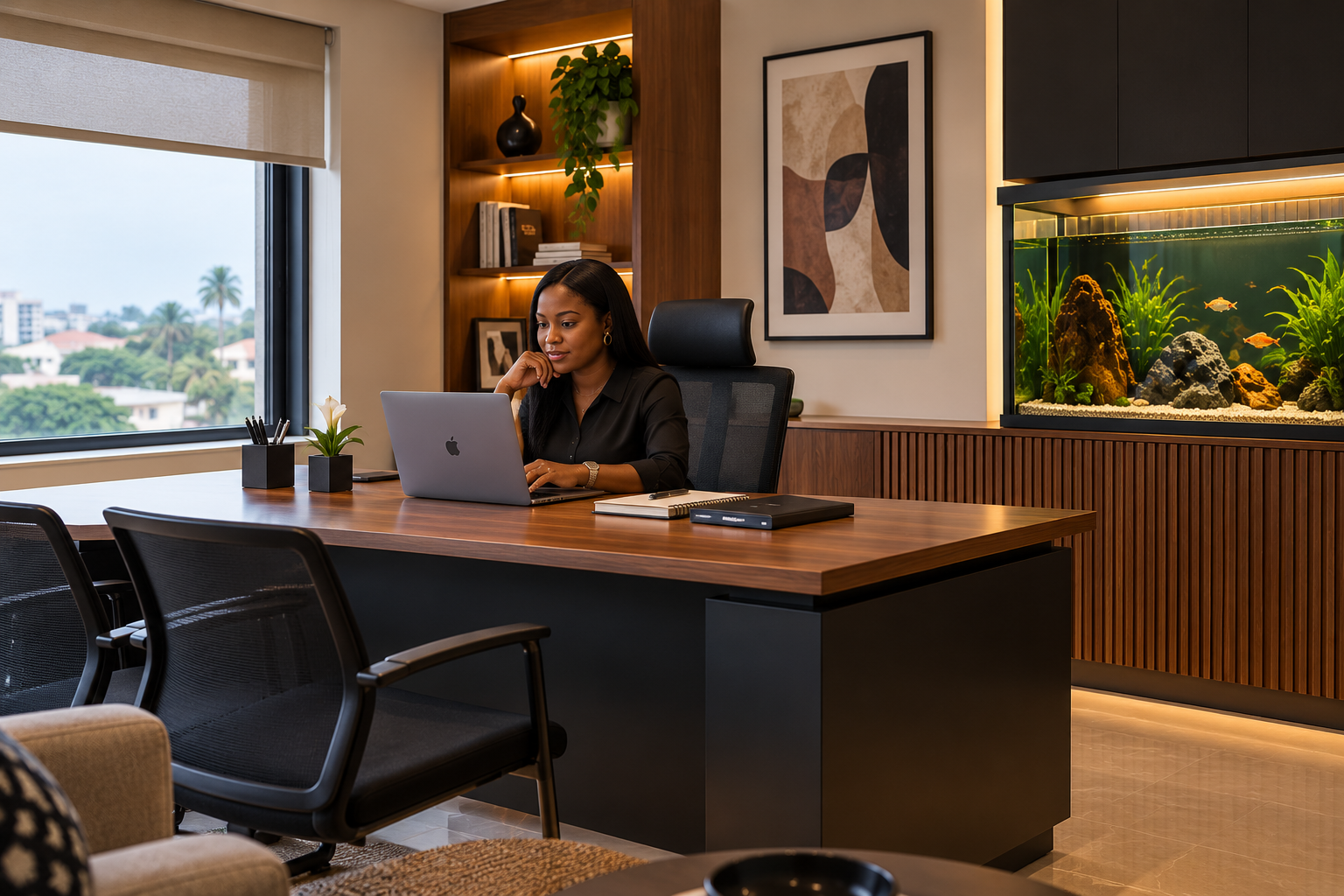
Walk into some offices and everything feels carefully arranged, yet somehow lifeless. Clean desks. Perfect walls. Polished floors. And then there are the spaces that make you pause.
A little greenery catches your eye. Water moves quietly inside an aquarium. A wooden pot softens a corner. Stone, grass, and plants come together in a way that feels less like decoration and more like a small piece of nature has found its way indoors.
That is the kind of space this designer, Alfred, likes to create.
His approach is simple: anything can be created.
Not every piece of wood needs to be thrown away. Not every ordinary plant needs to remain ordinary. Sometimes, all a space needs is a little imagination.
More Than Just a Garden
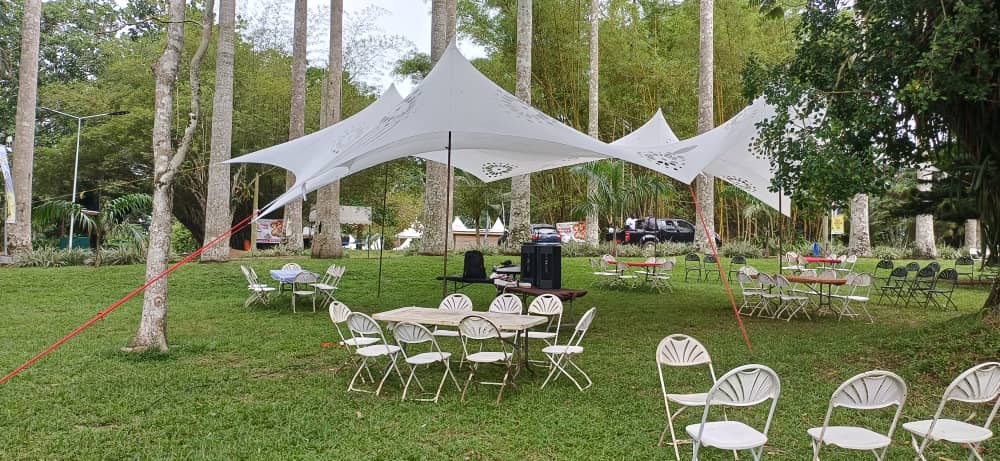
At the heart of his work is traditional landscaping, but there is plenty of room to make it personal.
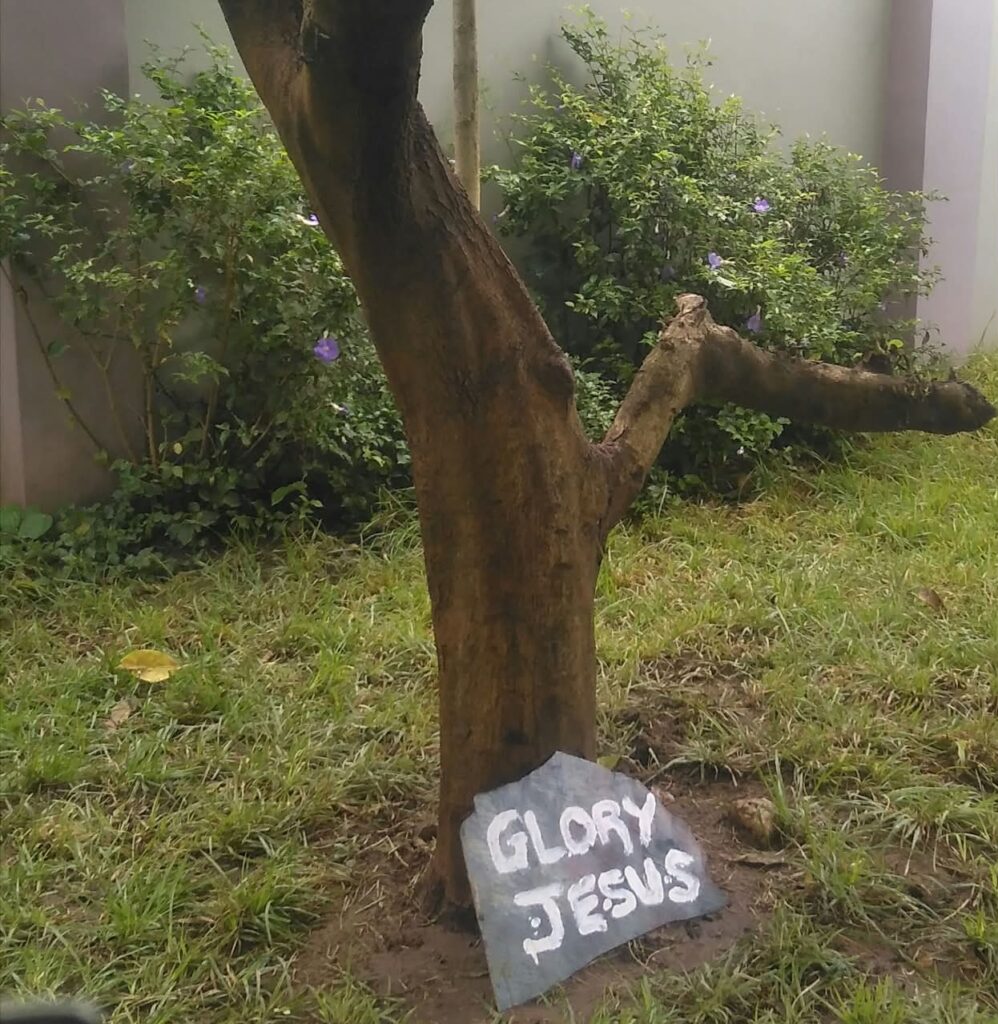
You can shape a grass-covered landscape around different paths and layouts, depending on the space or the occasion. A stone garden can become a feature. Wooden or stone inscriptions can add a personal touch.
The result does not have to look like every other garden.
Designing Around the Space
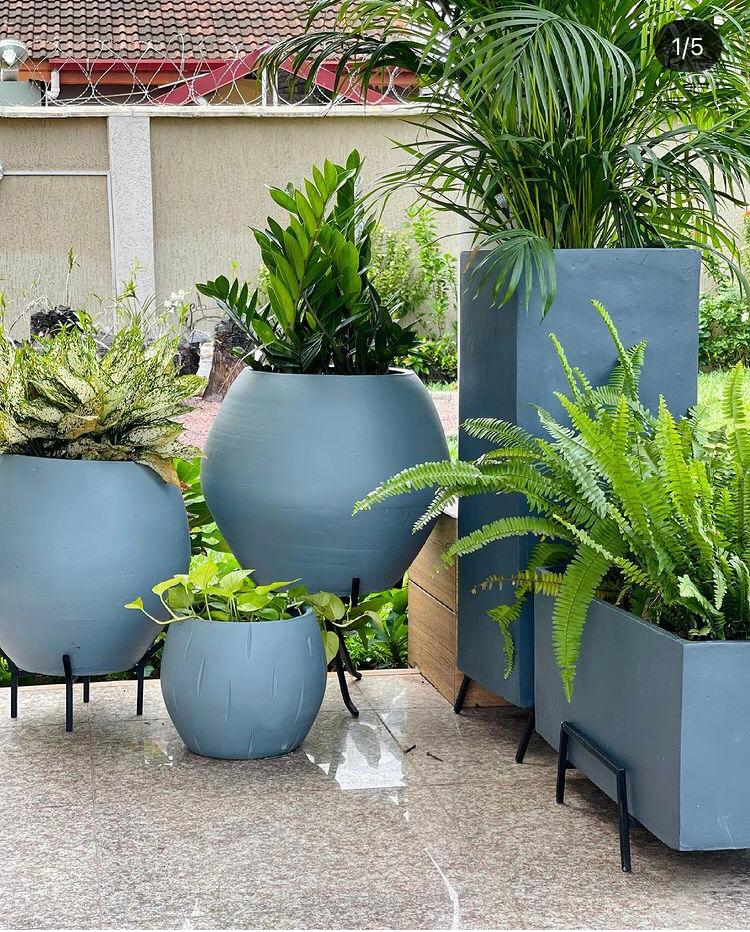
For an office, event venue, or corporate environment, landscaping can do more than fill an empty area. It can give people something pleasant to look at, create calm, and make an otherwise plain environment feel considered.
The beauty is in the flexibility. The grass provides the foundation, while the smaller details give the landscape its personality.
Pots That Become Part of the Design
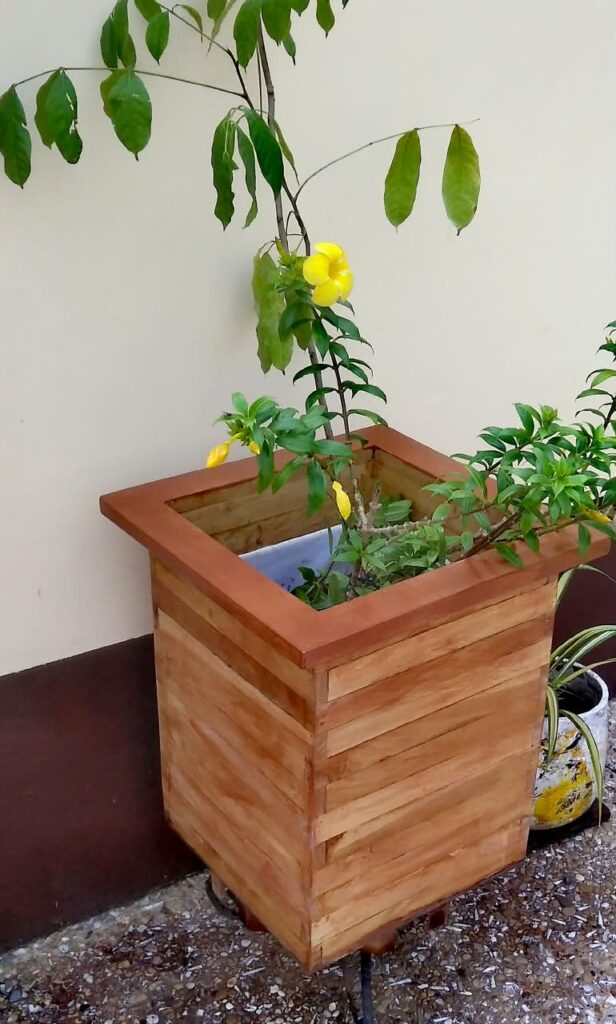
Sometimes, the smallest details have the biggest visual effect.
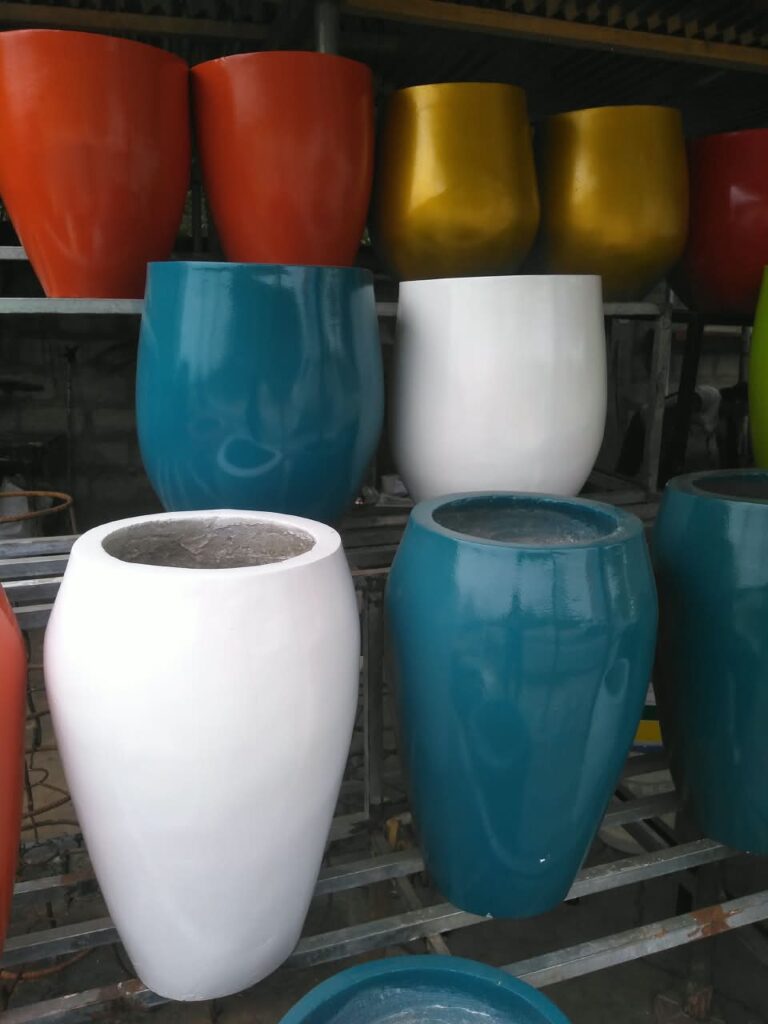
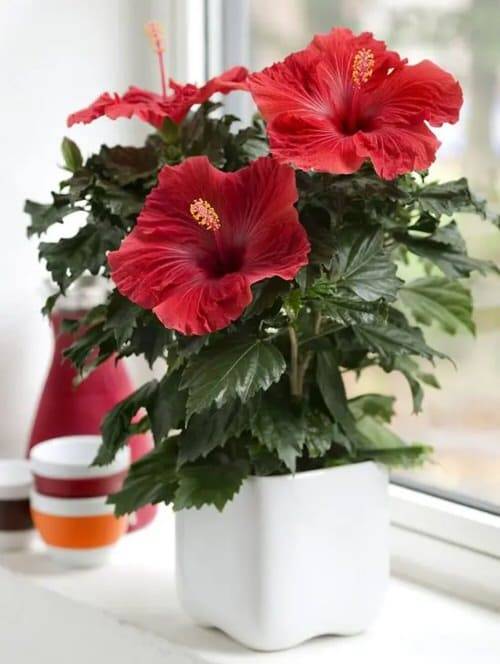
Wooden pots can bring warmth and texture to a space, especially when paired with natural flowers. Ceramic pots offer a different character, while plastic options provide another practical choice.
Rather than treating a flower pot as something that simply holds a plant, the idea is to make the pot part of the overall design.
A plant sits differently when its home has been thoughtfully chosen.
Bringing Plants Indoors
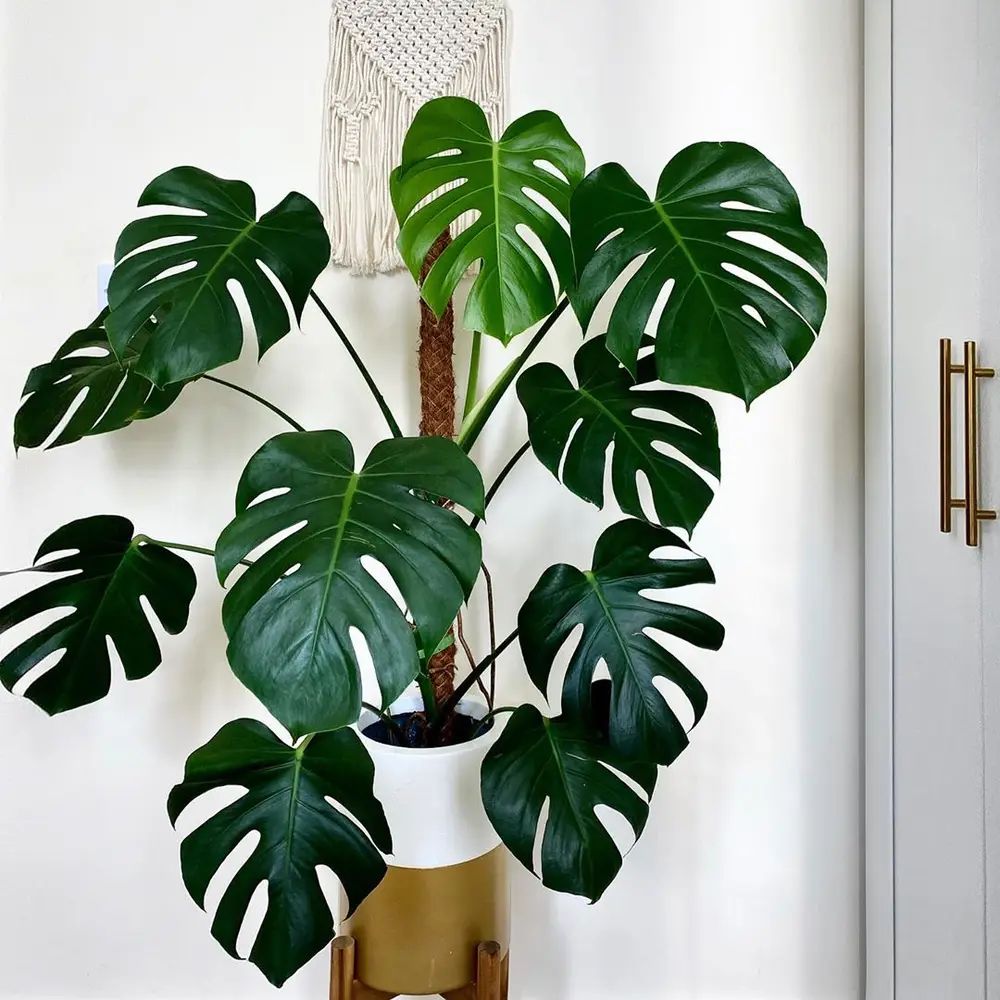
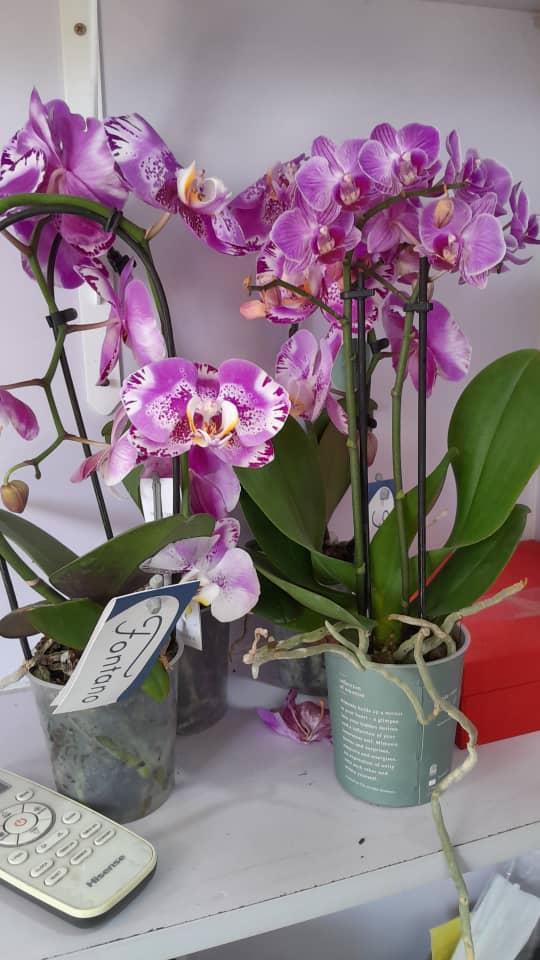
Indoor plants have their own rules.
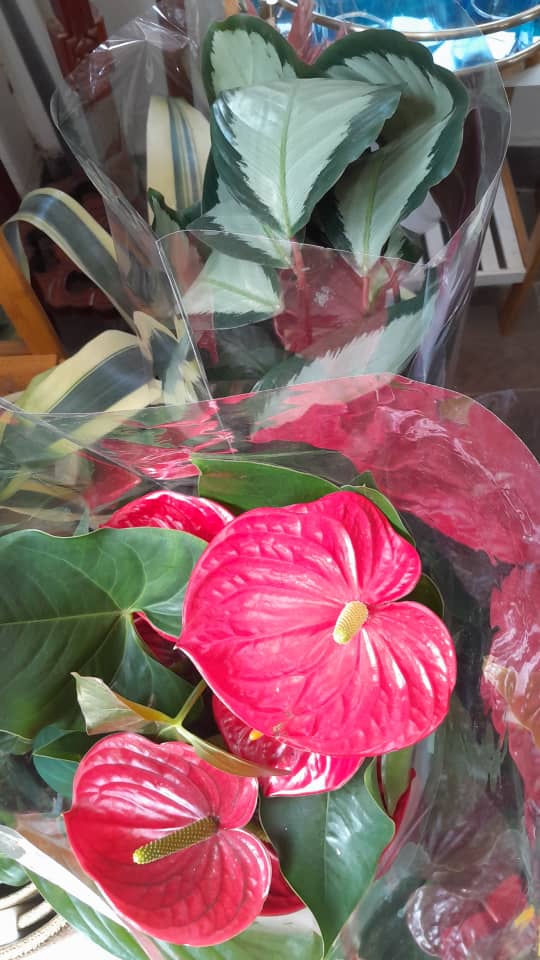
Not every plant wants to sit directly beside a sunny window all day. Some prefer a shaded environment with less intense sunlight, making them suitable for certain indoor spaces and sheltered outdoor areas.
That means choosing the right plant is only part of the job. How the plant is positioned and cared for matters just as much.
In a well-designed office, greenery should feel like it belongs there—not like a plant was simply brought in to occupy an empty corner.
When Water Becomes Part of the Picture
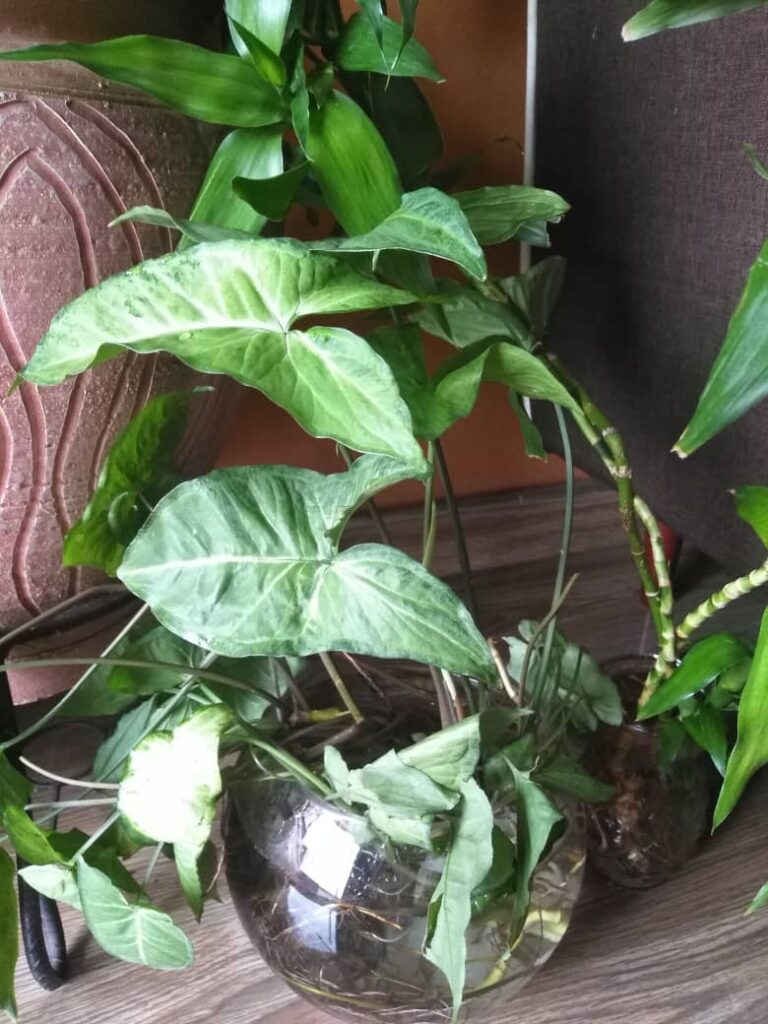
Then there is water.
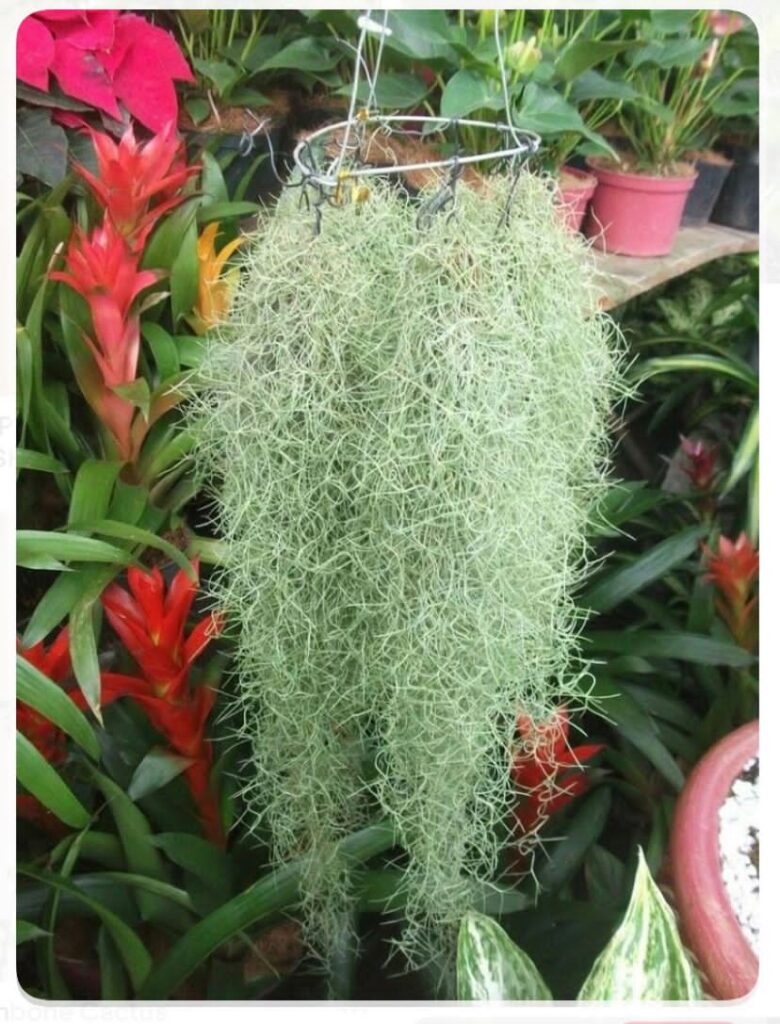
Among the more unusual elements in his collection are air plants and water-based plant arrangements, offering another way to introduce nature into a space without relying on the traditional flowerpot.
These designs can be particularly striking because they change the way we expect plants to exist.
Instead of soil, you might see water. Instead of a conventional container, the plant becomes part of a more creative display.
Nature does not always have to follow the usual rules.
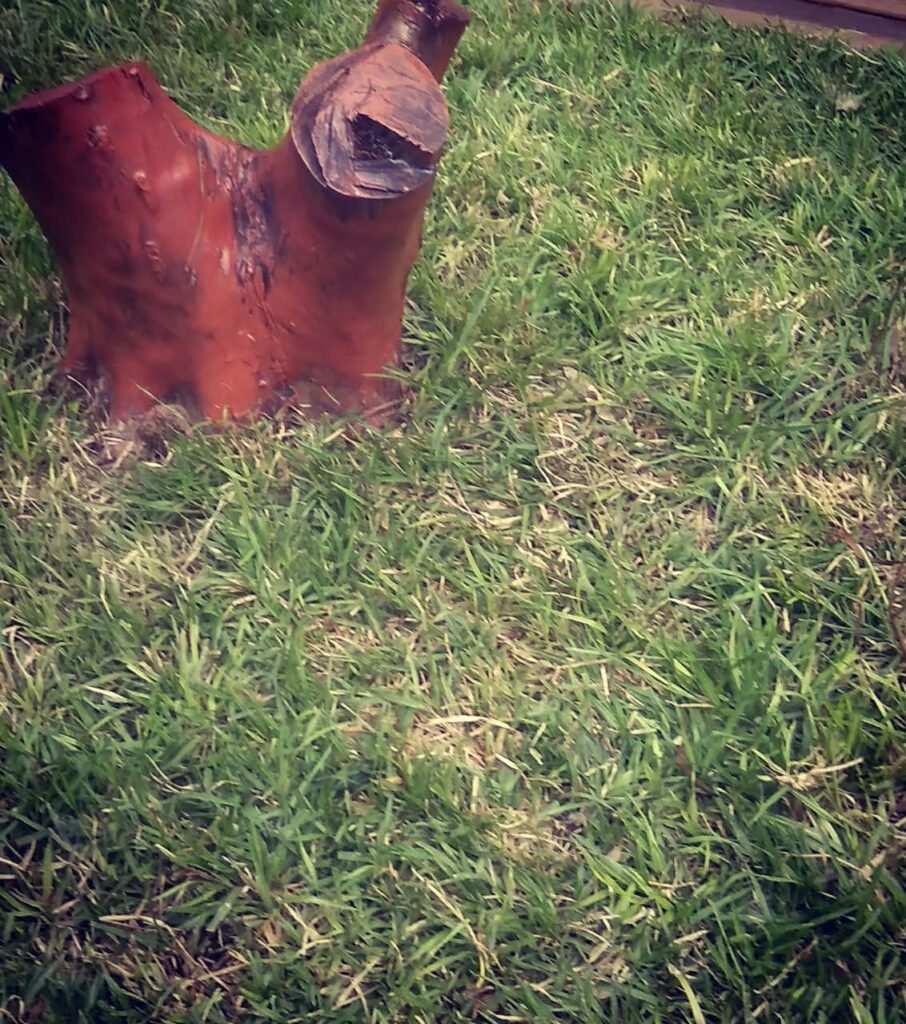
The Wooden Frame That Almost Became Waste
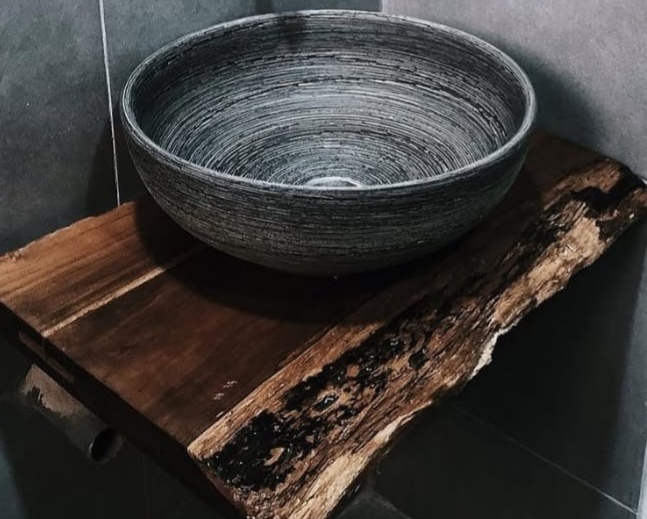
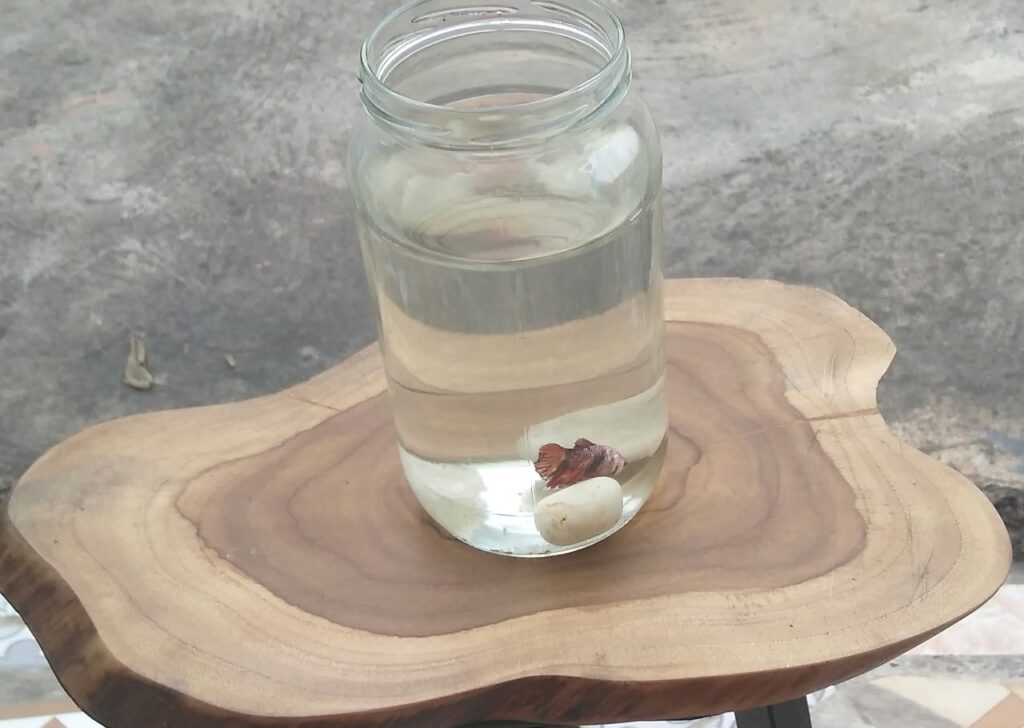
One of the best examples of this philosophy started with something that was almost thrown away.
A customer had a plant growing on the ground, accompanied by a wooden frame. She was considering getting rid of the frame.
He saw something else.
Rather than looking at the wooden piece as unwanted material, he imagined what it could become. With a little creativity, the frame was incorporated into the plant’s design.
That small moment captures the thinking behind the work: don’t be too quick to throw something away.
Look Again
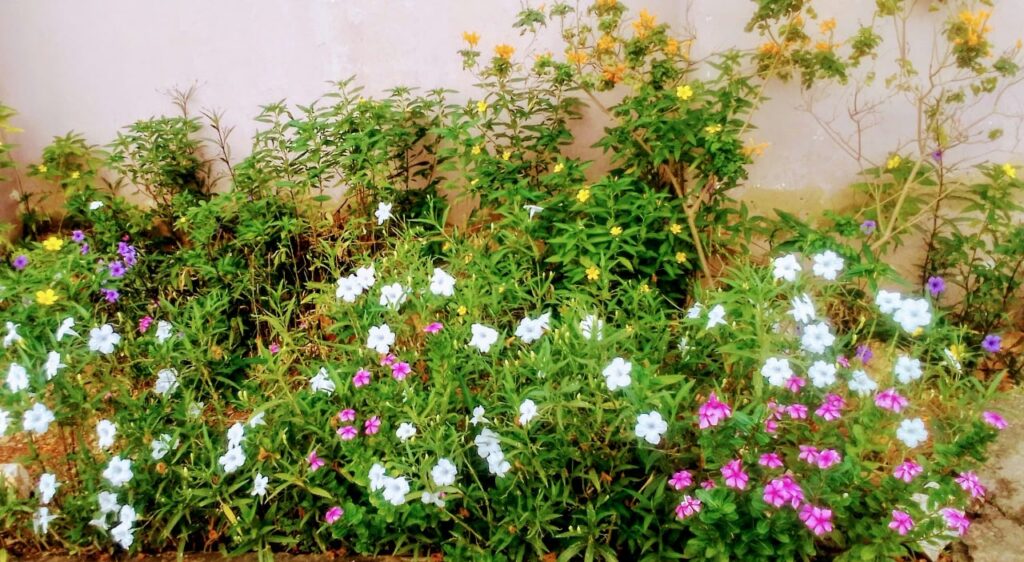
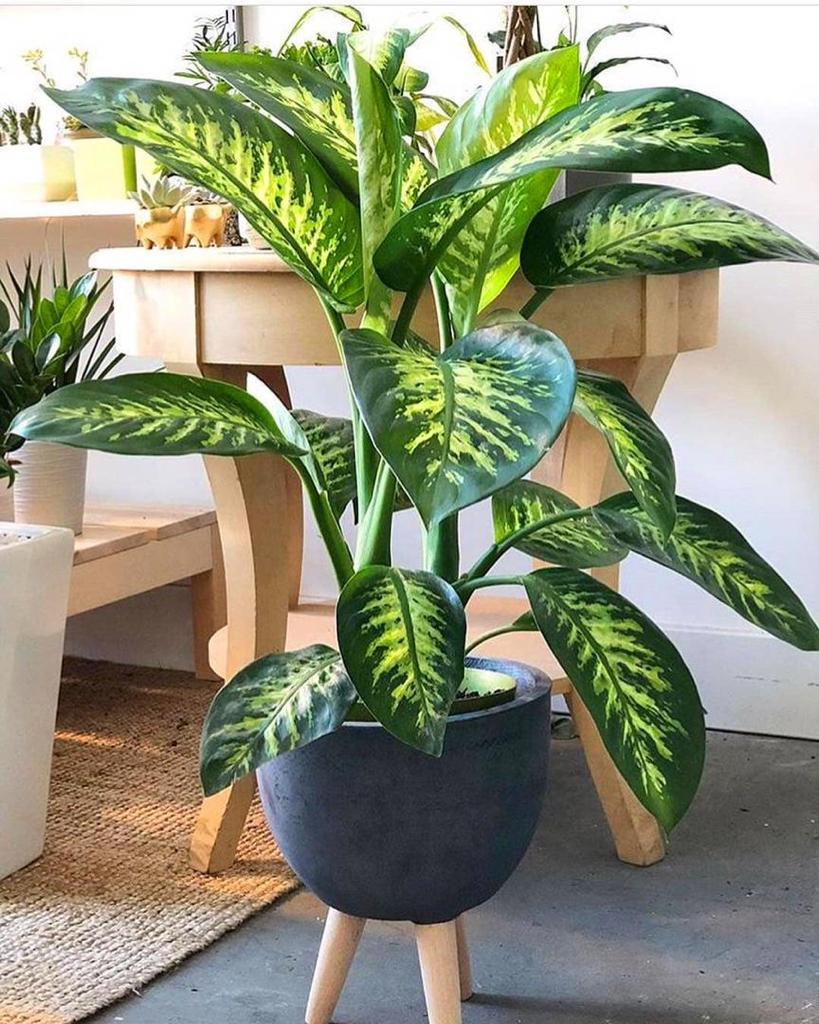
- A piece of wood can become part of a garden.
- An ordinary plant can become a feature.
- An empty corner can become a miniature landscape.
- A forgotten frame can become the detail that makes the whole arrangement interesting.
Sometimes the difference between waste and design is simply the ability to see possibilities.
And Then There Is the Aquarium
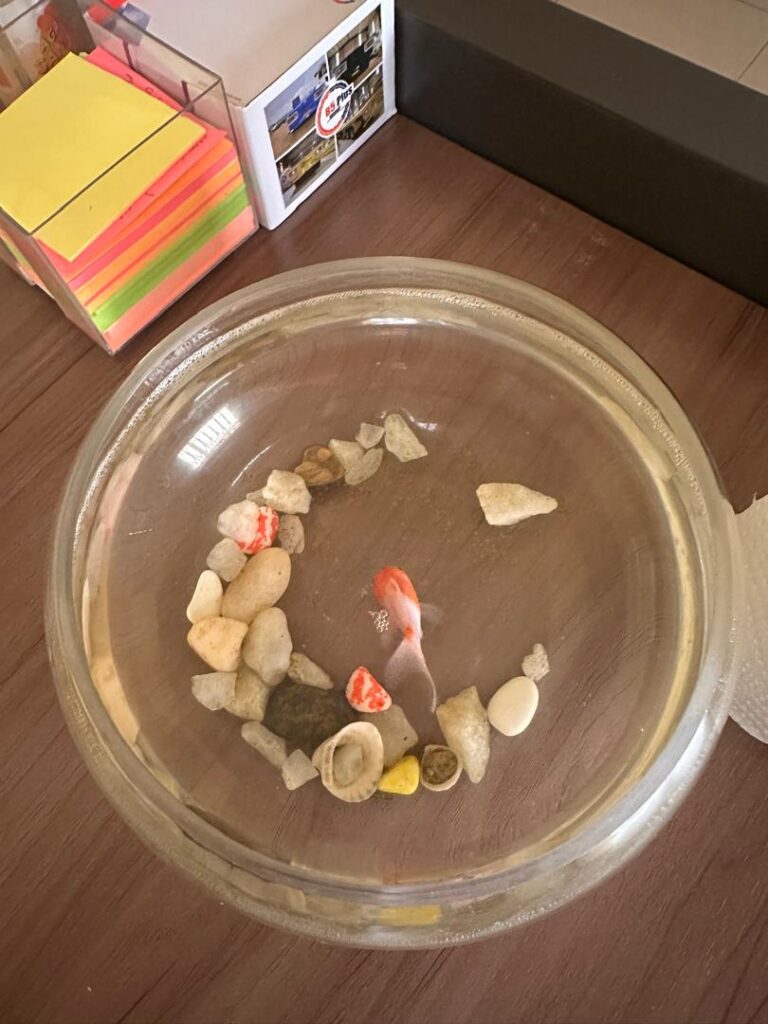
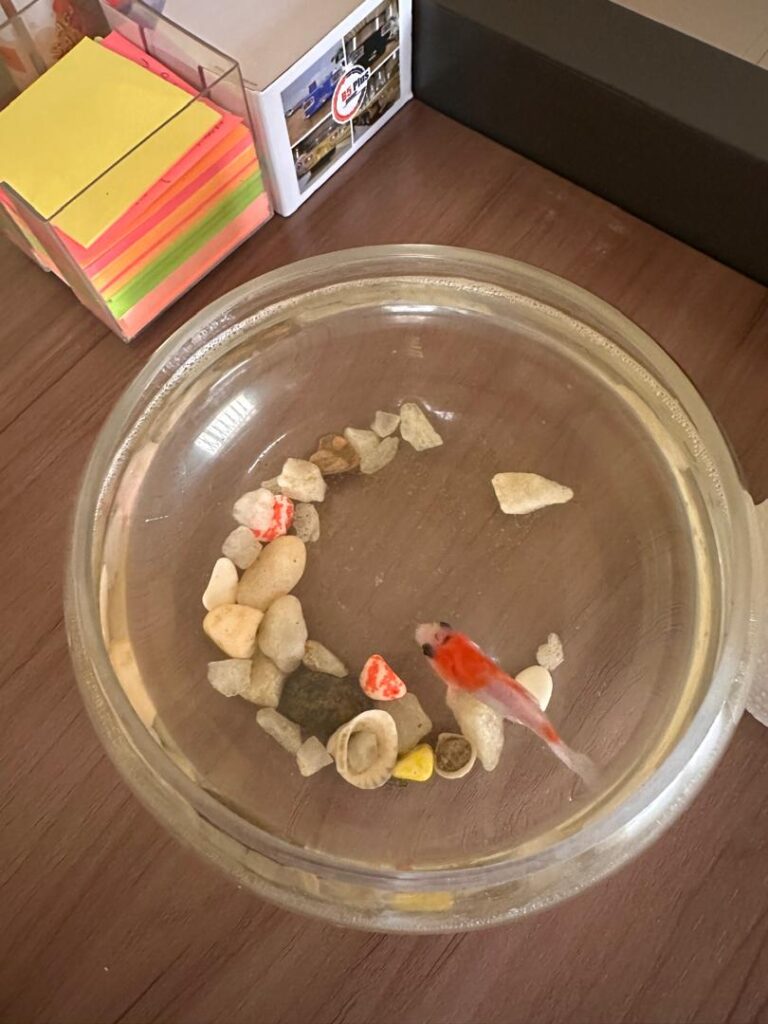
Plants bring one kind of life into an office. An aquarium brings another.
Custom fish aquariums can become striking focal points in corporate and office environments, introducing movement, colour and water into spaces that might otherwise feel static.
It is not simply about putting fish in a glass tank. The aquarium becomes another piece of the environment—something that can complement the surrounding plants, furniture and overall character of the space.
Designing Spaces That Feel Alive
There is a certain warmth that comes from bringing natural elements into places where people spend much of their day.
Grass. Wood. Stone. Plants. Water.
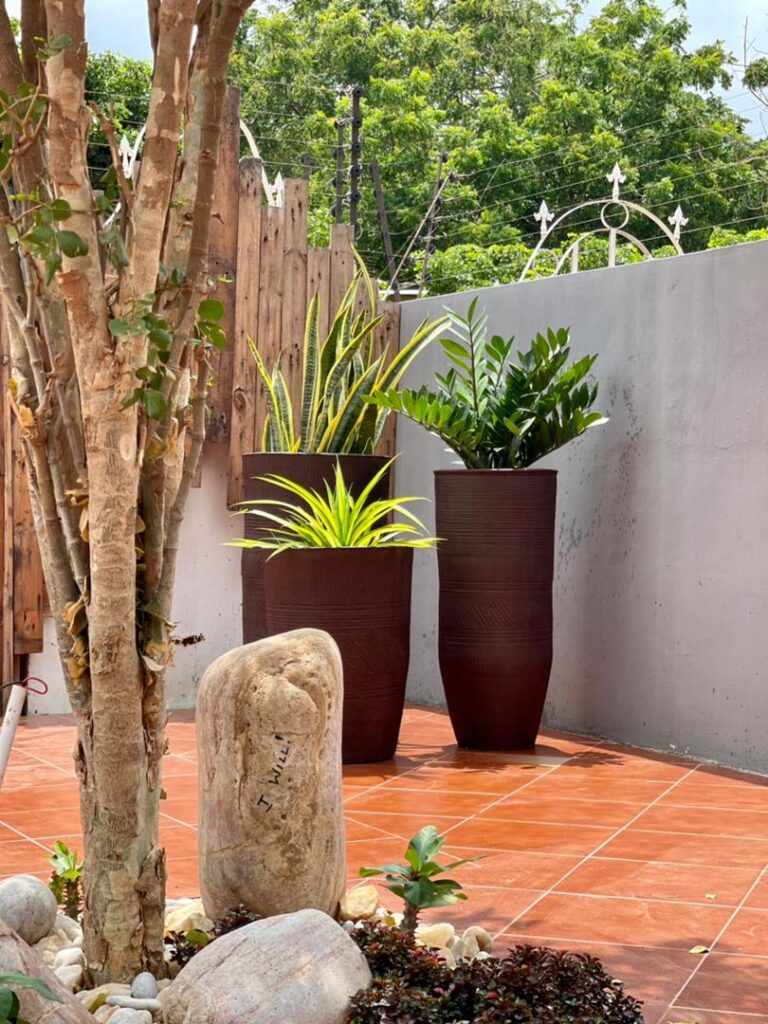
Individually, they are simple materials. Put together with imagination, they can completely change how a space feels.
And perhaps that is what makes this approach interesting. It is not about filling an office with plants simply because plants are fashionable. It is about looking at a space, seeing what it could become, and creating something that feels intentional.
The philosophy is wonderfully uncomplicated: anything can be created. Sometimes, you just have to look at what everyone else has overlooked.
Alfred resides in Accra, Ghana, but he goes wherever his work takes him. You can reach out to book him for his services via this number: 0275517592. Feel free to mention my name to him when you call because he might give you a discounted rate for his services.
As I always say, “We are nature and nature is us.” Or did I? :)