



Silent treatment in Relationships is a major concern for many couples. For some partners, it’s their way of dealing with conflicts without destroying, but for the partner who is enduring it, they might not take it lightly.
Silence in itself is not bad; however, there’s a kind of silence that doesn’t bring peace, it creates tension. You feel it immediately when the conversation stops, the energy shifts, and suddenly you’re left trying to figure out what just happened.
Listening to Jefferson Fisher describe it, the issue isn’t silence itself. It’s how it’s used and what it means in many situations.
“I’m Just Not Going to Talk to You”
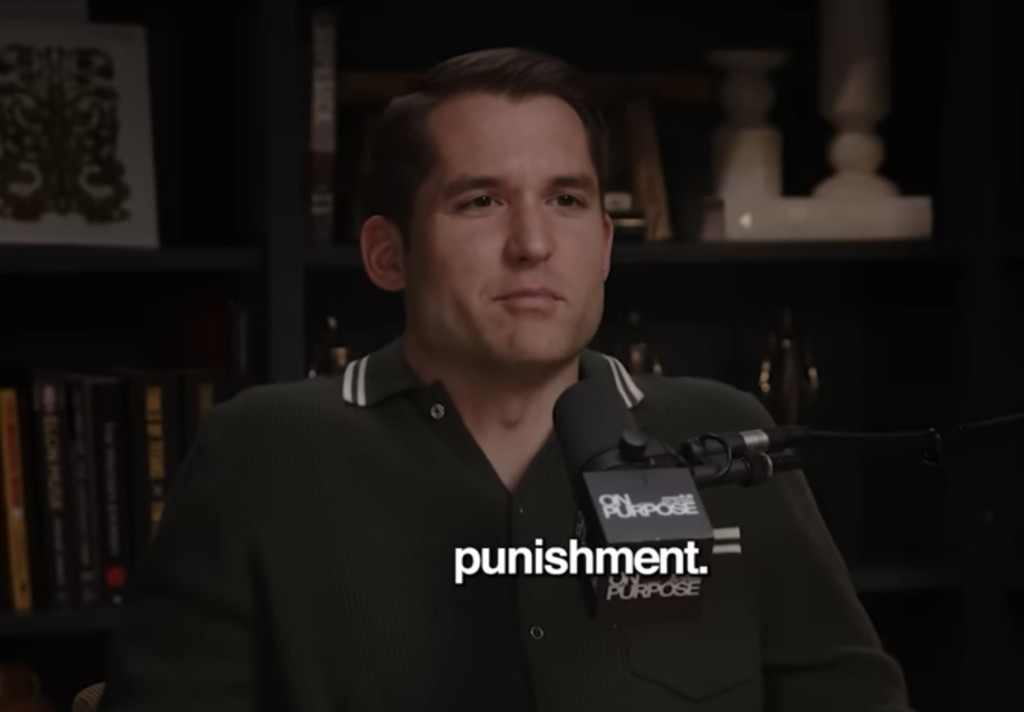
He painted a scenario many people recognize without needing much explanation.
“They’re upset… and they just go, okay, I’m just not gonna talk to you anymore.”
There’s no pause to assess the situation or work on it together.
- No explanation.
- No effort to communicate what went wrong.
That kind of withdrawal may look like control on the surface, but he called it what it is:
“That… is the number one sign of low emotional intelligence.”
Harsh, but it forces a shift in how we see it. Silence in that form is not strength, it’s avoidance.
What Healthy Space Actually Looks Like

Taking space is not the problem because emotions need room sometimes. What matters is how that space is communicated.
He offered a simple alternative that changes everything:
“I need to take a break… that really upset me. I’ll text you later. I’ll call you tomorrow.”
Same feeling, but expressed with clarity. It’s important to note that in many ‘silent treatment’ situations, one response keeps the door open. The other shuts it without explanation.
What Happens on the Other Side of Silence
The impact doesn’t end with the person who goes quiet. The other person is pulled into it whether they like it or not.
“…it puts the other person in a position of trying to beg, trying to plead.”
That reaction doesn’t come from weakness—it comes from confusion. Silence leaves gaps, and people naturally try to fill them.
Thoughts start racing. Emotions rise. The need for reassurance becomes urgent.
Why Reactions Start Escalating
Pressure builds quickly in that kind of environment. Communication is cut off, but the need for connection doesn’t disappear.
“They say something super flagrant… something really harsh… just in hopes that you come back in.”
At that point, it’s no longer about winning an argument. It’s about getting a response—any response that confirms the connection is still there.
A Better Way to Respond

Chasing silence often makes it worse. Reacting emotionally usually escalates it.
He suggested something steadier:
“I see that you’re giving me the silent treatment… I’m going to give you space. I’m ready to have the conversation when you are.”
There’s calm in that response. It acknowledges what’s happening without feeding into it. It also keeps your self-respect intact.
What This Really Reveals
Silence can either create space or create distance. The difference lies in intention and communication.
One approach allows both people to breathe and return. The other leaves one person guessing and the other avoiding.
Silent treatment in relationships may seem like a small reaction
The silent treatment in relationships may seem like a small reaction in the moment, but it carries weight over time.
Communication doesn’t have to be perfect. It just needs to be present.
Where words are missing, assumptions take over. And once that happens, the connection begins to fade quietly.