
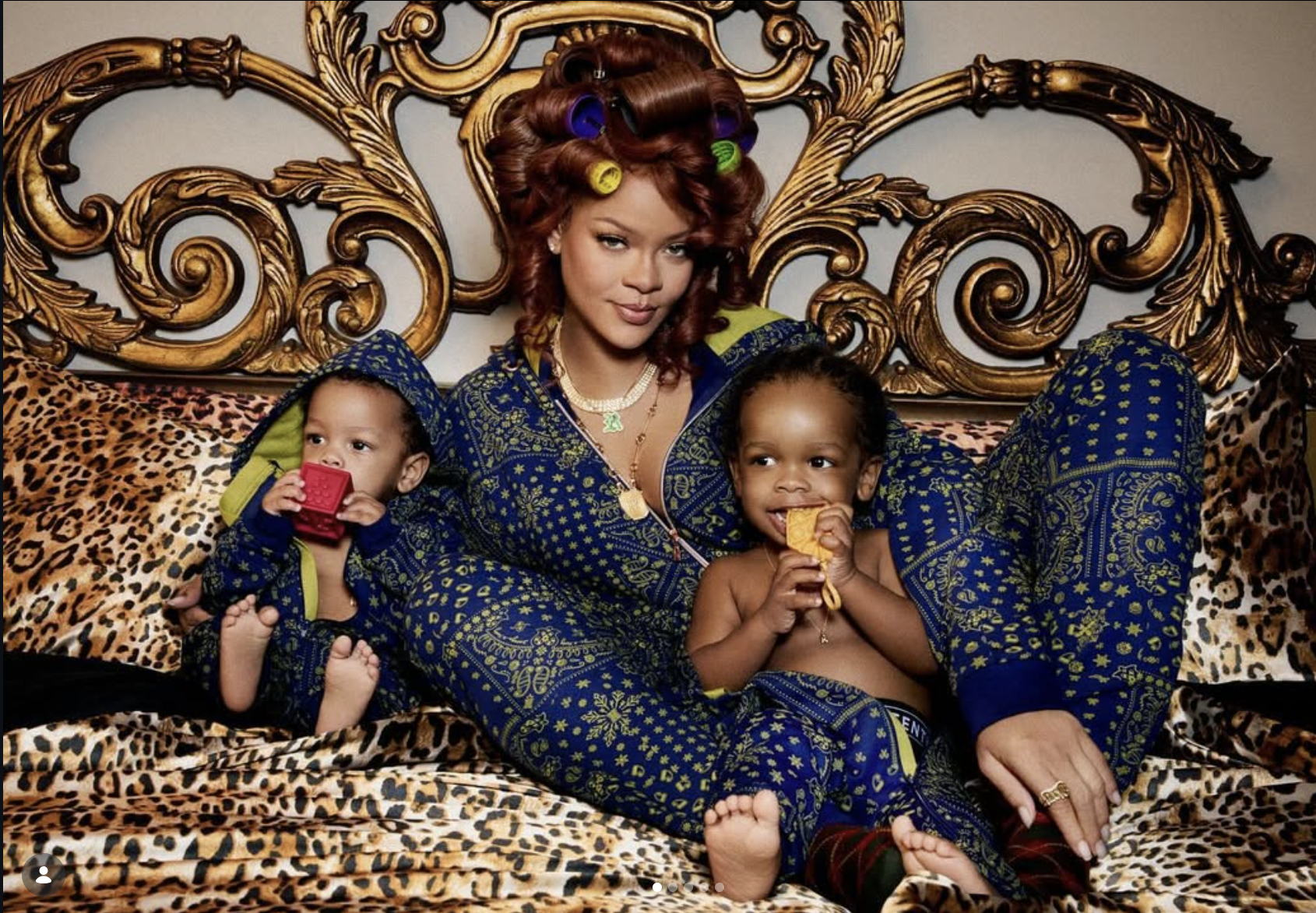
For most of her adult life, Rihanna has lived in a world defined by control, excellence, and reinvention. She built a billion-dollar empire, dominated global music charts, and redefined beauty and fashion on her own terms. She became the kind of woman people study, admire, and aspire to become.
Yet when she speaks about motherhood, her tone shifts. The confidence is still there, but it is softened by humility.
“I think being a mom is probably the hardest job ever,” she said in an interview. “My job seems challenging. Nothing compared to being a mom. Trust me.”
This wasn’t said for applause. It was said with the quiet honesty of someone who has discovered a truth that no amount of fame could prepare her for.
Motherhood didn’t just add another role to her life. It reshaped her understanding of herself, her priorities, and what strength really means.
Her journey offers lessons not just for celebrity watchers, but for every woman learning how to exist fully inside both her identity and her responsibility.
Motherhood humbles you in ways success never can
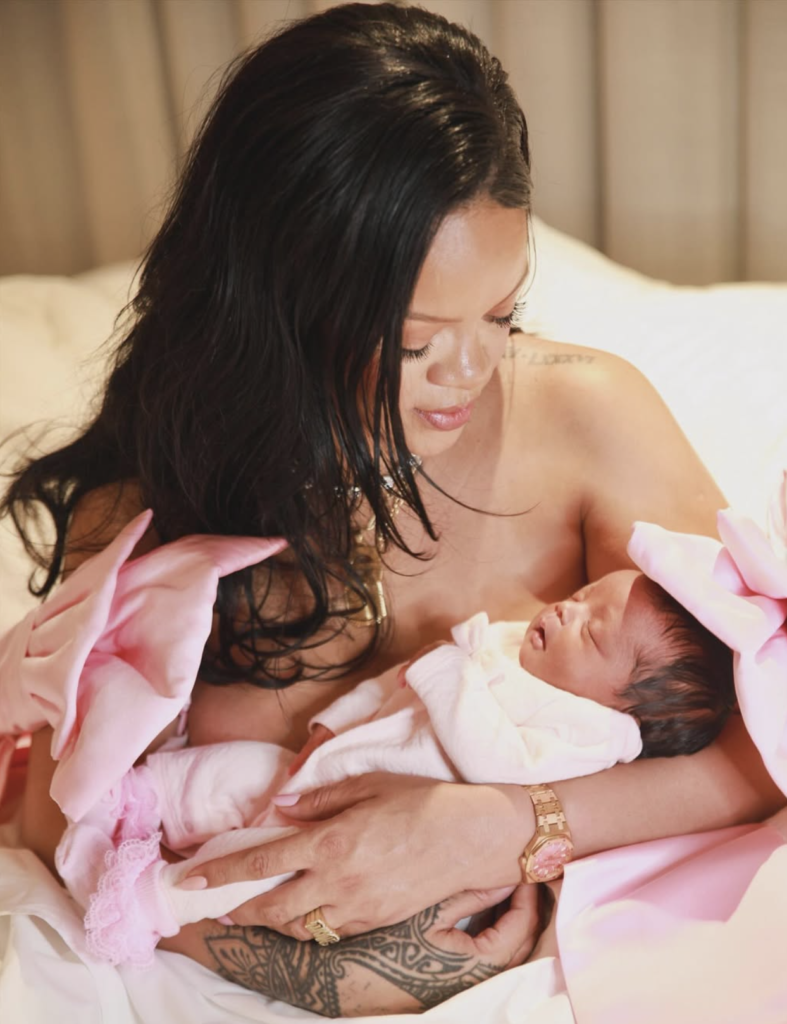
There is something powerful about hearing a woman who has conquered industries admit that motherhood is harder than everything else she has done.
Rihanna has performed before millions, launched global brands, and navigated intense public scrutiny. Yet she speaks about motherhood with deep respect, even reverence. She understands that motherhood demands emotional endurance, mental presence, and selflessness in ways that no career ever could.
She even took a moment to affirm mothers directly, saying, “Nothing compared to being a mom. Trust me. So always, say mom, I respect you. I love you. Great job. Because we need to hear it sometimes.”
That statement alone reveals an important truth: motherhood is often undervalued, even though it requires one of the greatest forms of human sacrifice. It is work done quietly, without constant recognition, but its impact shapes generations.
Her words remind us that motherhood is not ordinary. It is one of the most transformative responsibilities a woman can carry.
You don’t go back to who you were—you become someone new
Many women expect to eventually “feel like themselves again” after becoming mothers. There is comfort in believing that the version of yourself you once knew is waiting on the other side of sleepless nights and endless adjustments.
But Rihanna’s honesty disrupts that expectation.
“I don’t even remember what I was like without kids,” she admitted. “And so, I don’t even know if that even matters anymore.”
There is no resistance in her voice. No desperation to reclaim an old version of herself. Instead, there is acceptance.
Motherhood, as she describes it, is not a temporary phase. It is a permanent transformation.
She explained it best when she said, “Life starts over when you become a parent… It’s not a chapter. It’s a new book completely.”
This perspective frees mothers from the pressure of returning to who they used to be. Instead, it permits them to embrace who they are becoming.
Because motherhood does not erase identity. It rebuilds it.
Your priorities will shift, and that shift is not weakness
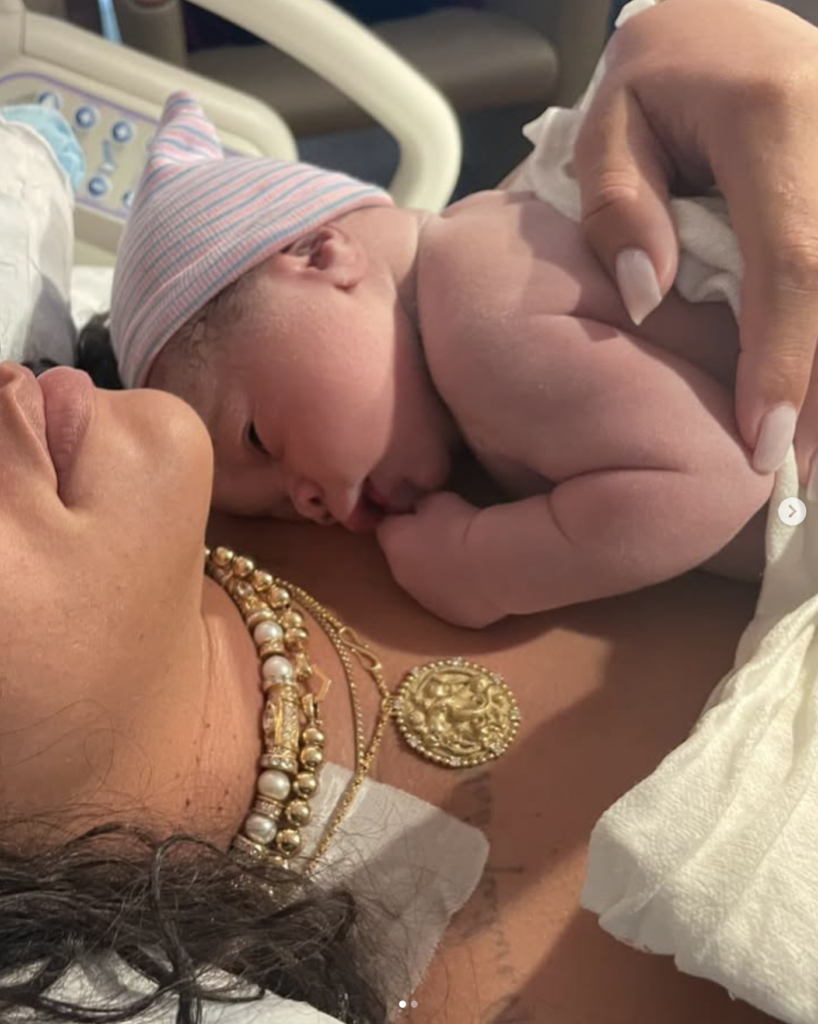
For years, music was Rihanna’s center. It was the force that shaped her career, her influence, and her global presence.
But motherhood reorganized her internal world.
“My kids are my priority,” she said. “Music comes second to that.”
This shift is not about losing ambition. It is about gaining clarity.
Motherhood forces women to see life through a different lens. Decisions are no longer based solely on personal desire, but on long-term meaning. What once felt urgent may no longer feel essential. What once felt optional may now feel sacred.
This does not make a woman less driven. It makes her more intentional.
She is no longer moving simply to achieve. She is moving to build something that lasts beyond her.
Motherhood changes your relationship with your body—and with yourself
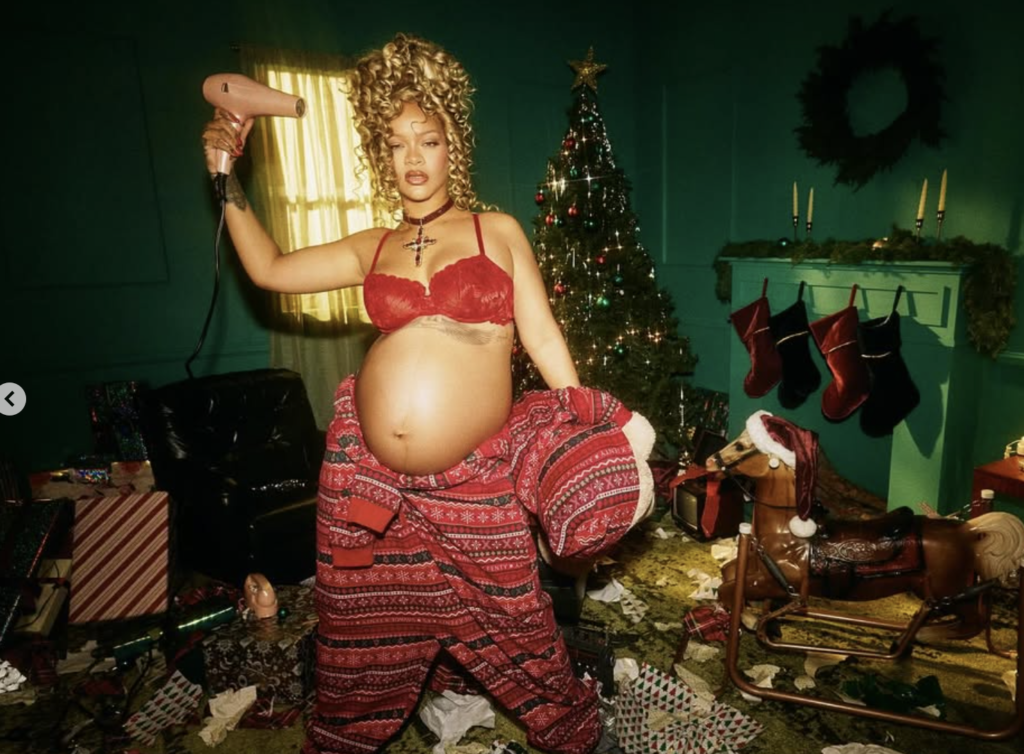
Pregnancy introduces a woman to a version of her body she has never known before. It stretches, shifts, and evolves in ways that can feel unfamiliar.
Instead of hiding that change, Rihanna chose to explore it.
She described pregnancy fashion as both challenging and exciting, explaining that her body was different every week. Rather than conforming to traditional expectations of maternity wear, she embraced the experience creatively.
“I just wanted to have fun with my pregnancy,” she said.
That mindset reflects emotional ownership. She did not treat pregnancy as a loss of control, but as a new form of expression.
Motherhood often changes how women see themselves physically, but it can also deepen their appreciation for what their bodies are capable of. It becomes less about perfection and more about purpose.
Motherhood reshapes your emotional world in ways you cannot predict
One of the most intimate parts of Rihanna’s reflection came when she described the emotional connection with her child.
She spoke about the way her son looks into her eyes and how it affects her deeply, describing the experience as overwhelming and almost impossible to explain.
“You look at him and he’s yours, but he’s a stranger and he’s new,” she said.
That statement captures something many mothers feel but struggle to articulate. There is both familiarity and mystery in raising a child. You recognize them as part of you, yet you are still discovering who they are becoming.
Motherhood introduces a new emotional dimension—one rooted in unconditional love, vulnerability, and responsibility.
It changes how you experience attachment, protection, and purpose.
Motherhood connects you to legacy, not just responsibility
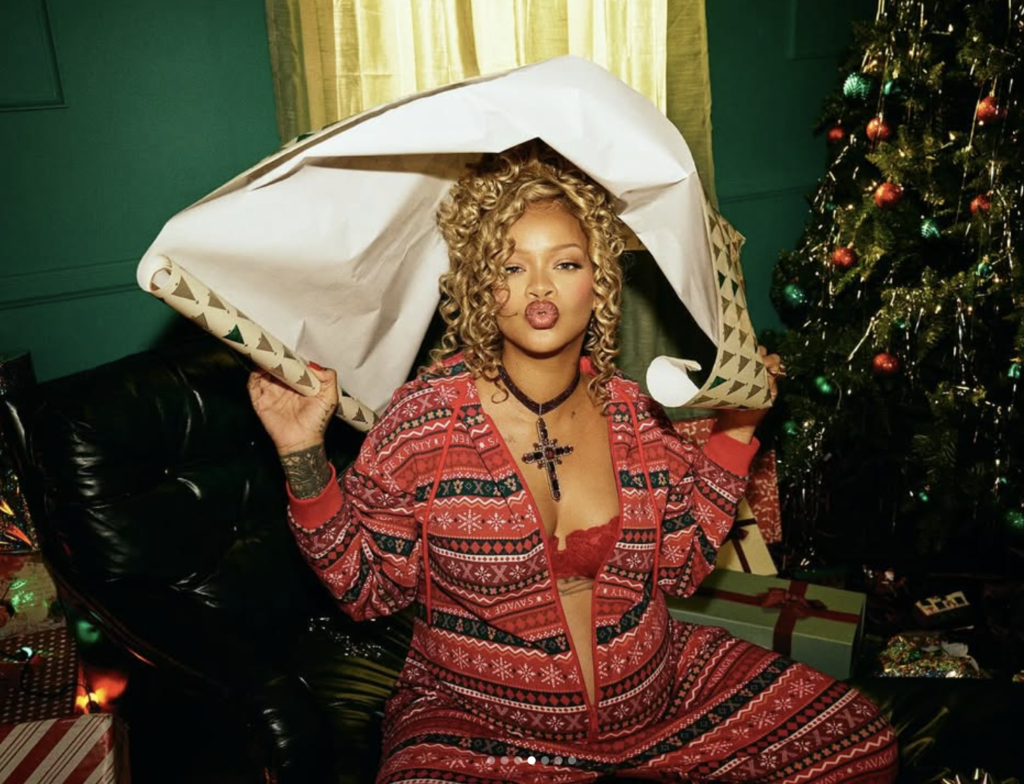
Beyond the daily realities of parenting, Rihanna also sees motherhood as part of something larger.
“I come from a Black woman who came from a Black woman who came from a Black woman,” she said. “And I’m gonna give birth to a Black woman.”
Her words reflect an awareness of lineage. Motherhood is not just about raising a child. It is about continuing strength, identity, and legacy across generations.
It is about shaping the emotional and psychological foundation of someone who will one day shape the world in their own way.
This perspective transforms motherhood from a personal responsibility into a generational contribution.
Motherhood teaches you to embrace structure, even if it doesn’t come naturally
Rihanna has always described herself as someone who thrives in freedom and creativity. Structure was never central to her identity.
But motherhood changed that reality.
She admitted she is now learning to embrace structure and balance, not because it comes naturally, but because it is necessary.
Motherhood requires discipline. It requires consistency. It requires showing up even when you feel exhausted or uncertain.
This adjustment is not always easy, but it builds resilience.
It teaches women how to hold both responsibility and identity in the same space.
Motherhood is not the end of a woman’s becoming
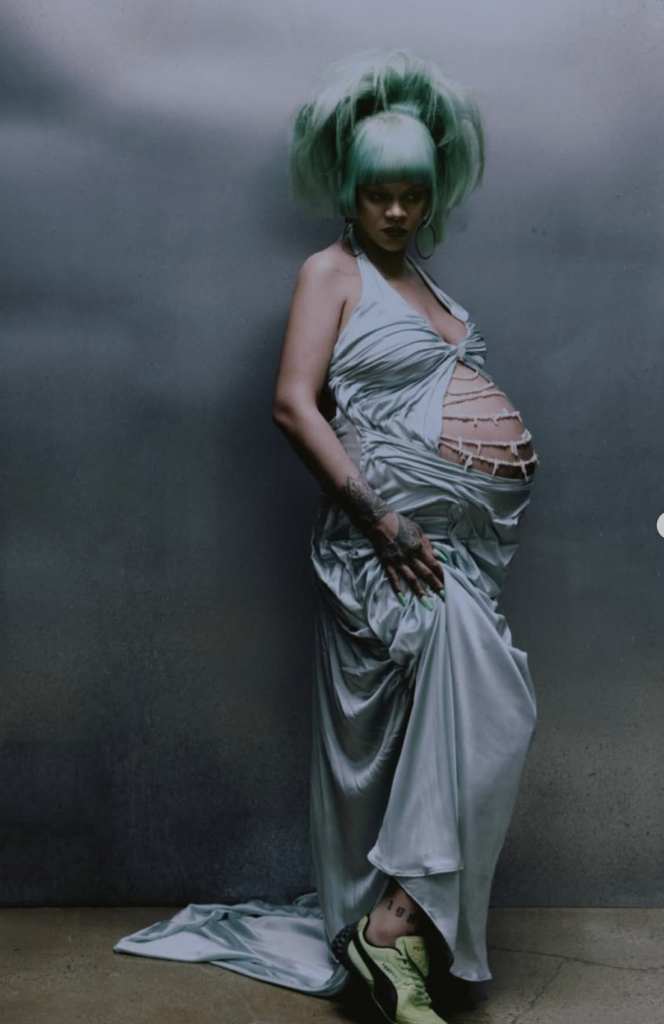
Rihanna’s journey shows that motherhood is not a limitation. It is an expansion.
- It humbles you. I
- t reshapes your priorities.
- It transforms your identity.
- It deepens your emotional capacity.
- It connects you to legacy.
- It introduces you to a version of yourself you could not have met any other way.
Motherhood does not erase ambition, strength, or individuality. It refines them. It anchors them. It gives them deeper meaning.
And perhaps the most important lesson from Rihanna’s experience is this: you do not lose yourself in motherhood.
You meet yourself again, stronger, softer, and more aware of what truly matters.