


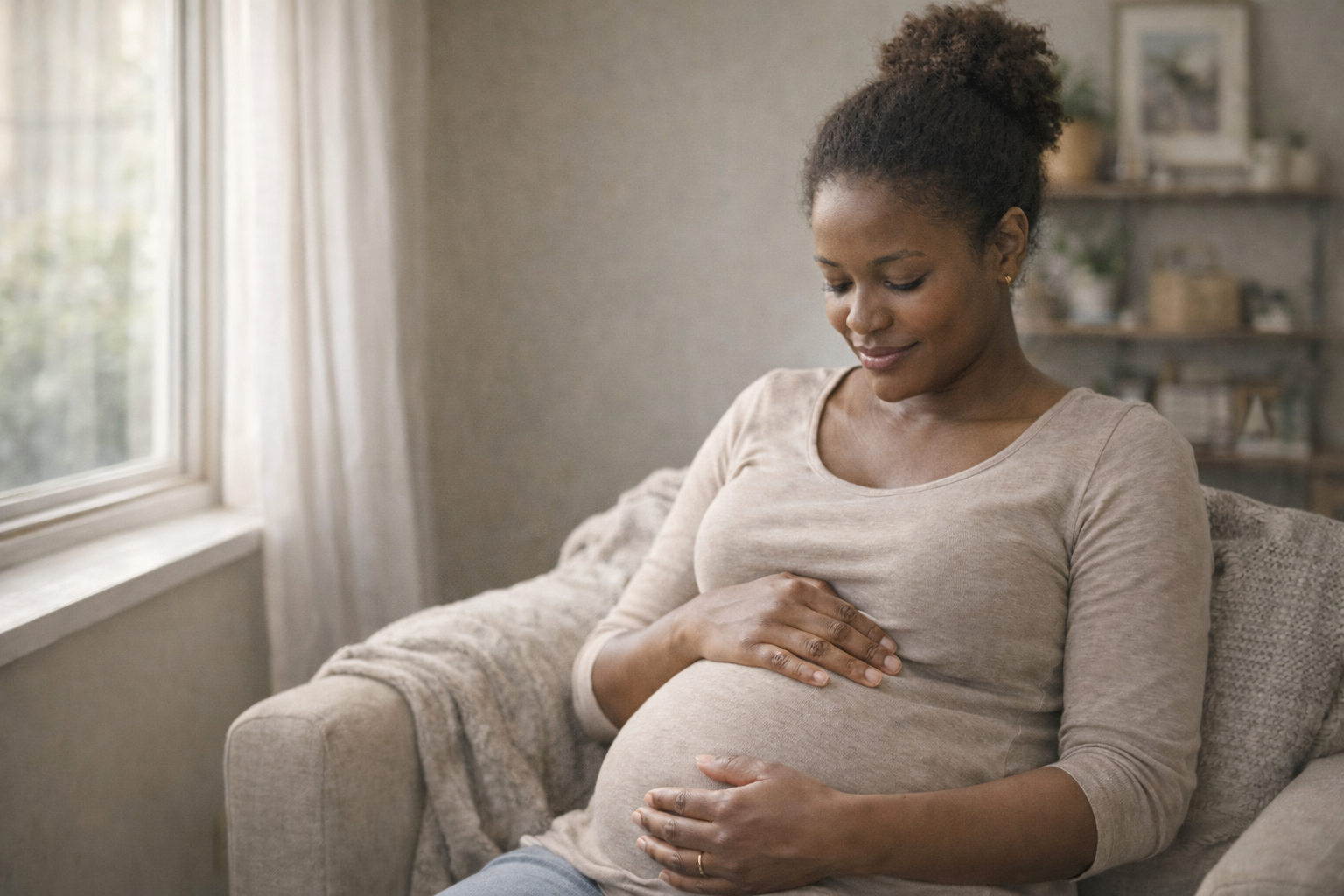
The pregnancy journey is joyful, but it’s not without some difficulties. Sometimes, those difficulties are tolerable; other times, they’re unbearable. But the journey to motherhood is one every woman will have to embark on alone. Pregnancy symptoms don’t show up the same way for everyone.
Some women know almost immediately. Others feel unsure, confused, or even dismiss the signs completely. Recently, one of my best friends got pregnant, and she had no idea about it for a while. She missed the symptoms.
If you’re paying closer attention to your body and wondering whether what you’re feeling could be pregnancy, you’re not alone. Early symptoms can be subtle, unexpected, and sometimes emotional.
Let’s talk about the most common pregnancy symptoms—especially in the early weeks—and what they might mean.
My pregnancy symptom was obvious: uncontrollable morning sickness. I could barely do anything.
Common Early Pregnancy Symptoms

- One of the earliest changes many women notice is unusual tiredness. Not normal tired: deep, unexplainable exhaustion. I was always tired and slept a lot. I registered on a three-in-one sofa in my hall. The only time I got from it was when I was going to take a bath.
- Nausea is another common sign. For some, it comes with vomiting. For others, it’s just a constant uneasy feeling or sudden dislike for foods they once loved. I couldn’t eat anything, not even drink water. When I vomited, small clots of blood always followed. Also, a trip to the hospital was endless for me in the first trimester.
- Breast tenderness can appear early, too. Even small movements may feel uncomfortable as your body begins adjusting hormonally.
- Mood changes may sneak up on you. You might feel more emotional than usual without understanding why, and that’s okay. I cried throughout my entire pregnancy journey.
Some women also notice frequent urination, mild cramping, or light spotting (I experienced all these symptoms). These symptoms can feel alarming, but they are often part of early pregnancy.
Pregnancy Symptoms by Early Weeks
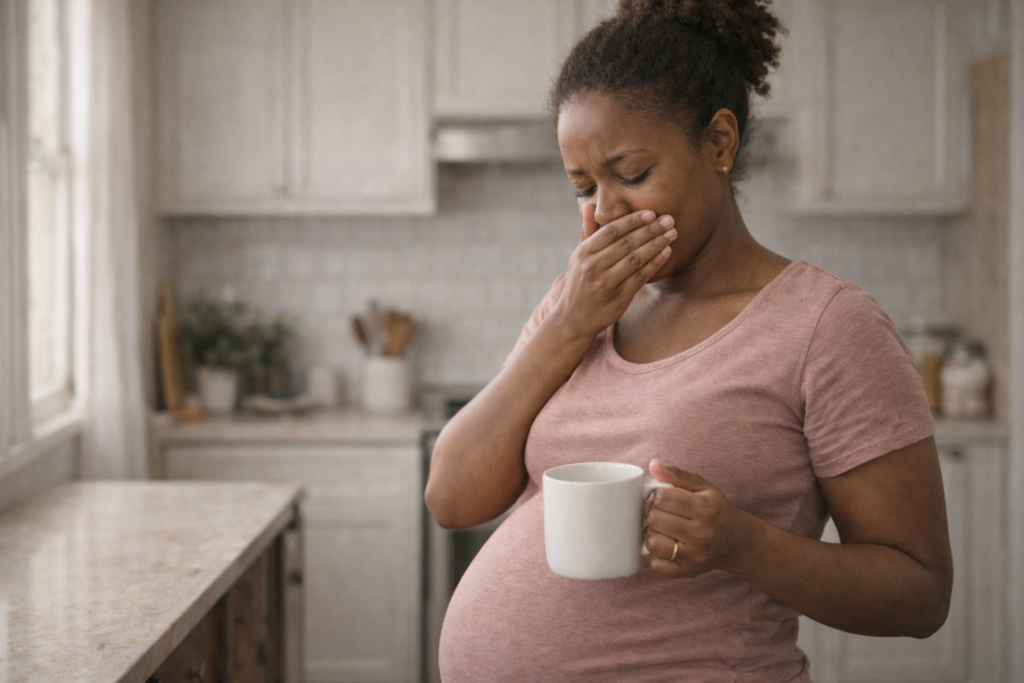
In the earliest weeks, many women feel little to nothing. As weeks pass, symptoms may become clearer—but every pregnancy is different. When I missed my period and found out I was pregnant, I felt energetic, but that lasted only five days before the severe morning sickness kicked in.
Absence of symptoms does not mean absence of pregnancy. A very good neighbor told me that she never experienced any morning sickness throughout he three pregnancies. She just ate and slept: Lucky her.
When to Take a Pregnancy Test
If your period is late or symptoms persist, a home pregnancy test is a good next step. Testing in the morning often gives clearer results.
Also, a healthcare provider can confirm with a blood test if needed; if you’re not sure.
When to See a Doctor
You have to see your doctor if you experience severe pain, heavy bleeding, or dizziness, which should never be ignored. When unsure, professional advice brings peace of mind.
Pregnancy symptoms are not a checklist. Your experience doesn’t have to look like anyone else’s to be valid.
You just need to listen to your body. Trust yourself. And take things one step at a time.