
When Blake Lively and Justin Baldoni agreed to work together on It Ends With Us, few could have imagined that their professional collaboration would evolve into one of the most talked-about legal disputes in Hollywood. What began as a film adaptation of a bestselling novel has now become a courtroom battle involving harassment claims, countersuits, leaked texts, and questions about power, reputation, and truth.
This article breaks down everything that has happened — from the beginning to the present — based on verified court filings and reporting from trusted media outlets.
How Blake Lively and Justin Baldoni Came to Work Together
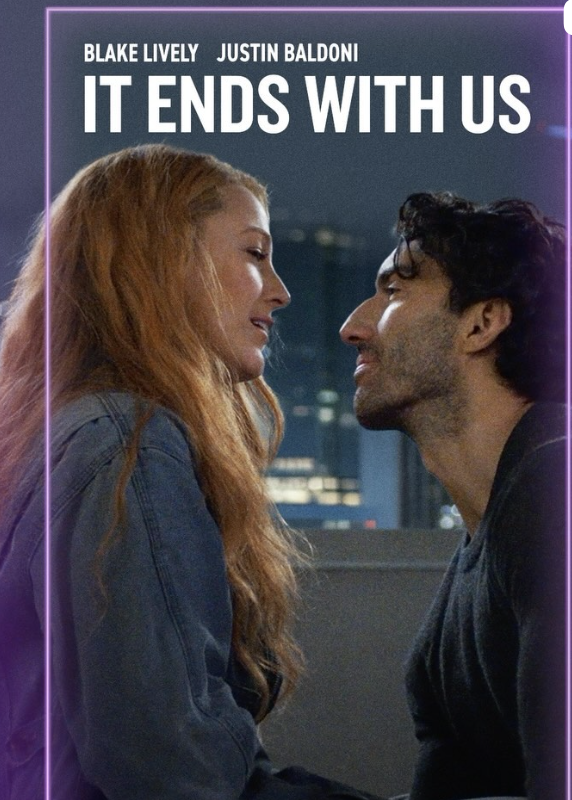
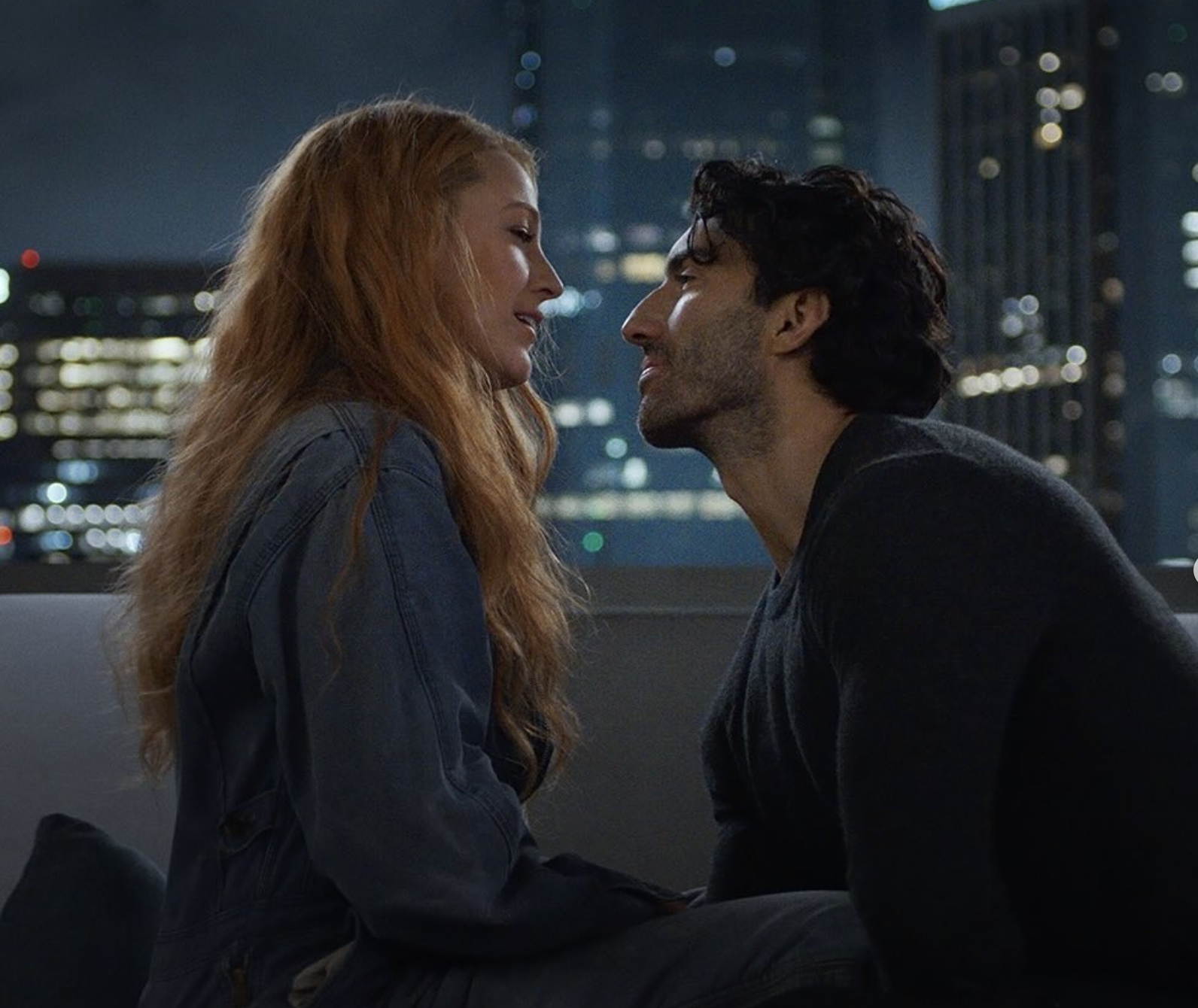
Blake Lively starred as Lily Bloom in It Ends With Us, the film adaptation of Colleen Hoover’s bestselling novel. Justin Baldoni not only directed the film but also played the male lead. Their partnership placed Baldoni in a position of both creative authority and co-star collaboration.
At first, the film represented a major professional moment for both actors. But behind the scenes, tensions reportedly began to build during production and promotion.
Reports later revealed that Lively had raised concerns about Baldoni’s behavior during filming, including allegations of inappropriate comments, boundary violations, and professional conflicts.
At the time, these concerns were not widely publicized. The public would only begin to understand the depth of the conflict months later.
December 2024: Blake Lively Files Formal Complaint and Lawsuit

The legal dispute officially began in December 2024, when Blake Lively filed a complaint accusing Justin Baldoni of sexual harassment, retaliation, and creating a hostile work environment.
She also alleged that Baldoni and his associates attempted to damage her reputation through a coordinated smear campaign after she raised concerns.
According to court filings, Lively said Baldoni’s actions caused her emotional distress and undermined her professional safety and wellbeing.
This marked the moment the conflict moved beyond private disagreement and entered the legal system.
Justin Baldoni Denies Allegations and Files $400 Million Countersuit
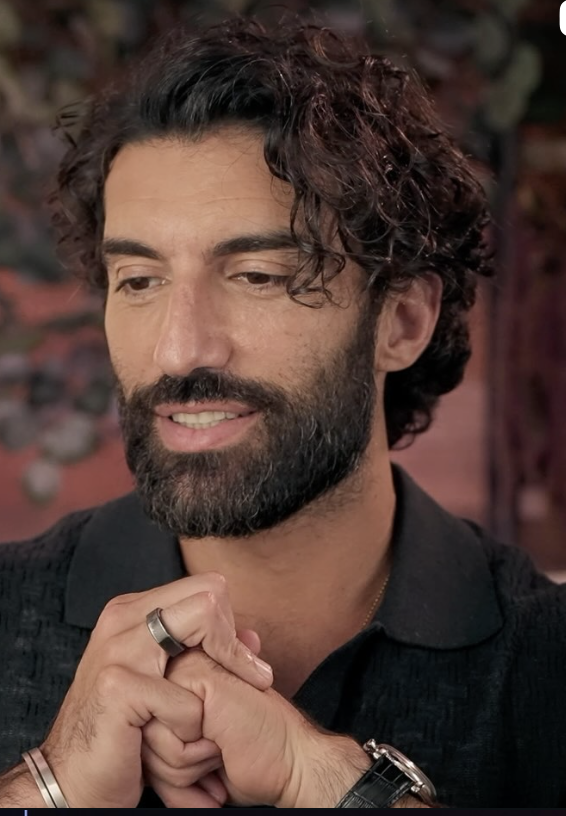
In response, Justin Baldoni denied all allegations and filed a massive $400 million countersuit against Blake Lively, her husband Ryan Reynolds, and others.
His lawsuit accused Lively and her team of defamation, extortion, and attempting to destroy his career and reputation.
Baldoni claimed that Lively had taken control of the film and orchestrated actions to undermine him professionally. His legal team argued that he was the victim of false accusations and public manipulation.
The countersuit escalated the dispute significantly, transforming it into a high-stakes legal and reputational battle.
Baldoni Also Sued The New York Times
The conflict expanded further when Baldoni filed a separate lawsuit against The New York Times, seeking $250 million in damages.
He accused the newspaper of publishing what he described as misleading or manipulated information about Lively’s claims.
The newspaper defended its reporting, stating that its article was based on extensive documentation and responsible journalism.
This move demonstrated how far-reaching the dispute had become, involving not only the actors but also media institutions.
June 2025: Baldoni’s Countersuit Is Dismissed
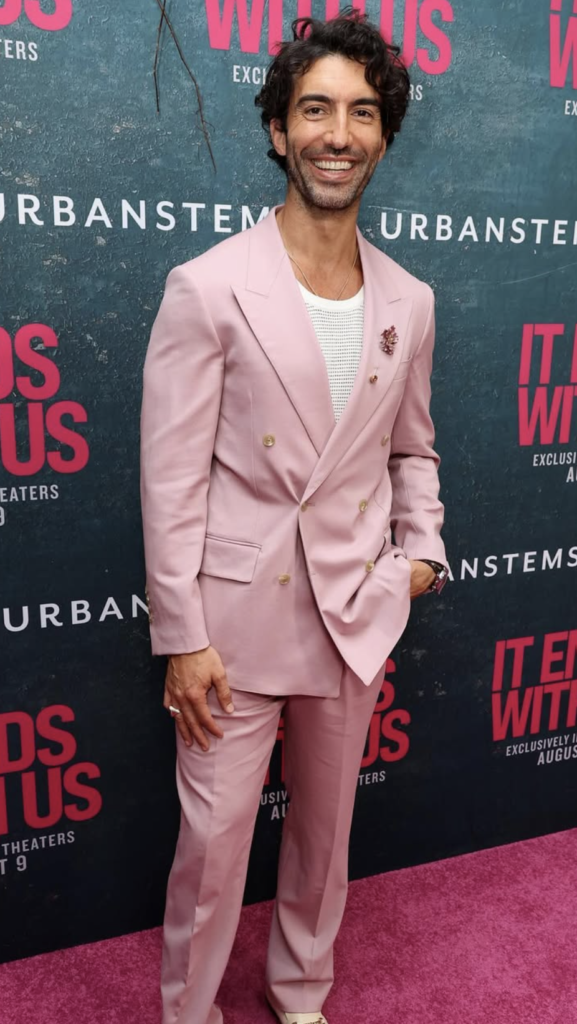
In June 2025, a federal judge dismissed Baldoni’s $400 million countersuit, ruling that Lively’s allegations were legally protected and that Baldoni had not sufficiently proven defamation or extortion.
He was allowed to amend and refile the complaint, but ultimately missed the deadline. As a result, the court formally ended the countersuit.
This was a major turning point in the case. While Baldoni’s countersuit was dismissed, Lively’s lawsuit remained active.
Text Messages, Taylor Swift, and Evidence Released
In early 2026, the case drew renewed public attention when previously sealed text messages and communications were released as part of court filings.
Some of these messages included conversations between Lively and singer Taylor Swift, which Baldoni’s legal team argued were relevant to the dispute.
Swift was even briefly subpoenaed as a witness during the legal process, though her involvement became a separate point of controversy.
The release of private communications highlighted how deeply personal and complex the legal battle had become.
Attempts to Settle the Case Failed
In early 2026, both parties met in court in an effort to resolve the dispute without going to trial. However, settlement talks failed, meaning the legal battle would continue.
This indicated that neither side was willing to compromise on their claims or defenses.
Where the Case Stands Now
As of now, Blake Lively’s original lawsuit remains active, and the case is scheduled to proceed toward trial unless a settlement is reached.
This trial will ultimately determine whether Baldoni is legally responsible for the allegations made against him.
Until then, both parties remain locked in one of the most closely watched legal disputes in the entertainment industry.
Why This Case Matters Beyond Celebrity Headlines
It would be easy to view this case as just another celebrity conflict. But its implications go deeper.
The dispute raises broader questions about:
- Professional boundaries in creative industries
- The balance of power between actors and directors
- Reputation, public perception, and legal accountability
- How workplace disputes unfold in public spaces
It also reminds us of something important: legal battles are not decided by public opinion, headlines, or social media — but by evidence, law, and due process.
Until the court reaches a final decision, the full truth remains something only the legal system can determine.
Case’s Outcome
At its core, this case is not just about Blake Lively or Justin Baldoni. It is about what happens when professional trust breaks down completely — and when private conflict becomes public reality.
Whatever the final outcome, the case has already reshaped how many people view both individuals and highlighted how fragile professional relationships can become under pressure.
Some stories begin on a movie set. This one will likely end in a courtroom.
Latest Update on Blake Lively vs Justin Baldoni Lawsuit as of April 2026
The case between Blake Lively and Justin Baldoni has taken a major turn. A U.S. federal judge recently dismissed 10 out of Lively’s 13 claims, including the high-profile sexual harassment, defamation, and conspiracy allegations, significantly narrowing the lawsuit. However, the case is far from over.
The court allowed key claims—especially retaliation and breach of contract—to move forward to trial, meaning some of Lively’s core accusations will still be examined in court. It Ends with Us, the film at the center of the dispute, remains a critical part of the context, as the judge ruled some of the alleged conduct occurred within the scope of filming.
Both parties are now preparing for a trial scheduled for May 18, 2026, although there are reports of last-minute settlement talks happening behind the scenes. While Baldoni’s team sees the dismissal as a strong legal win, Lively’s side maintains that the ruling was based on technicalities—not a full judgment on the behavior itself—and insists the remaining claims still carry serious weight.