



Letting go of someone you love rarely feels like a clear decision. It feels like a fight inside you.
Part of you wants to hold on because of the memories, the effort, the hope that things can still work. Another part of you feels tiredtired of trying; tired of adjusting, tired of ignoring things that keep coming back.
That tension doesn’t come from nowhere.
It usually starts when something within you refuses to settle, even when everything around you looks okay.
You Feel It in Your Body Before You Can Explain It
Time together doesn’t feel the way it used to. There’s a heaviness that shows up even in simple moments. Conversations happen, but something feels strained. You leave and replay things in your head, trying to understand why you feel unsettled.
Nothing may look “wrong” from the outside, which makes it harder to trust what you’re feeling.
Still, that lack of peace keeps returning.
Scripture speaks about a peace that guards your heart. When your heart constantly feels on edge instead, that’s not something to dismiss. That discomfort is often the first signal that something is no longer right.
You Spend More Time Explaining the Relationship Than Enjoying It

Talking about the relationship starts sounding like defense.
- You find yourself justifying their behavior to friends.
- You explain situations in a way that makes them sound better than they felt in real time.
- You replay conversations, trying to make sense of things that didn’t sit well with you.
Energy that should go into enjoying the relationship is now going into managing it.
A healthy relationship may require effort, but it doesn’t require constant explanation just to make it make sense.
You’re Holding On to Who They Could Be, Not Who They Are
Hope can be beautiful, but it can also keep you stuck.
- You see glimpses of who they could become.
- You remember how things were at the beginning.
- You hold on to promises that haven’t been fulfilled.
Meanwhile, your present reality keeps telling a different story.
Waiting for potential often comes at the cost of accepting what is actually happening now. And over time, that gap between hope and reality becomes exhausting.
Your Values Are Quietly Clashing

Certain things that once felt small now feel important.
The way you view faith, commitment, boundaries, or even the future begins to differ in ways that are hard to ignore. Conversations around these topics don’t bring clarity; they leave you feeling unsettled.
Amos 3:3 asks, “Can two walk together unless they agree?”
Agreement doesn’t mean being identical, but it does mean moving in the same direction. When that direction starts to feel divided, the relationship begins to strain under the weight of it.
You Feel Yourself Shrinking
Little by little, you start adjusting parts of yourself to keep the peace.
- You hold back what you really want to say.
- You lower your expectations.
- You accept things you once said you wouldn’t tolerate.
Over time, that version of you starts to feel unfamiliar.
Love should not require you to disappear to maintain it.
God Has Already Been Showing You—You Keep Pushing It Aside
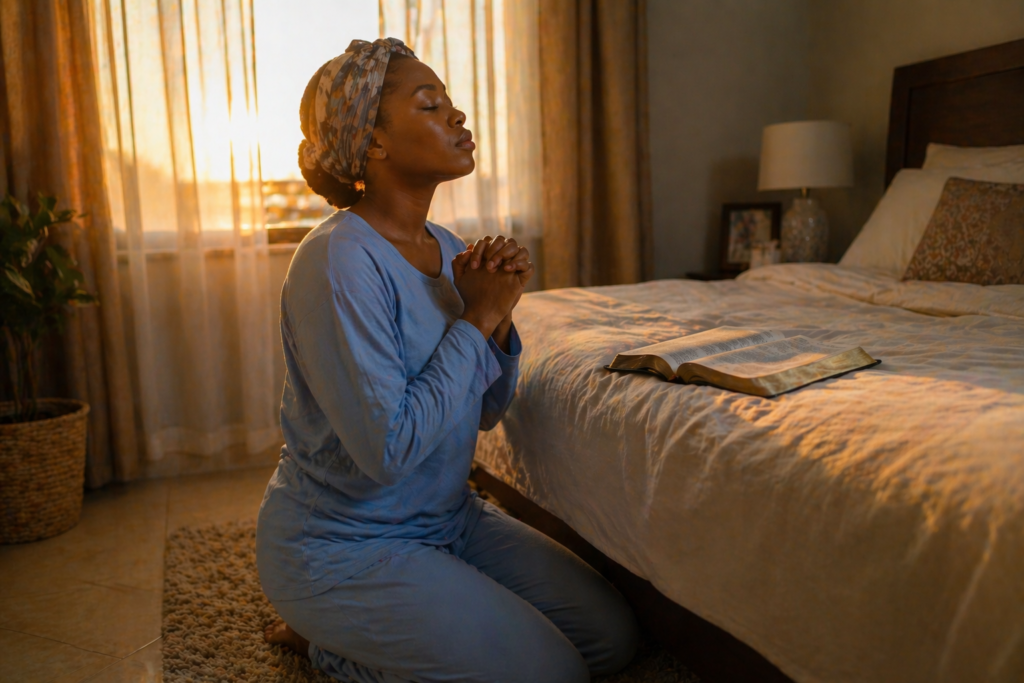
There have been moments.
- Moments when something didn’t sit right.
- Moments when advice came from someone you trust.
- Moments when you felt strongly that something needed to change.
Those moments didn’t come once; they came repeatedly.
Ignoring them didn’t bring peace. It only made things quieter on the surface while the tension stayed underneath.
God often speaks through patterns, not just one-time events. When the same concern keeps showing up, it’s not something to brush aside.
You Feel Drained More Than You Feel Supported
Being with them leaves you tired instead of refreshed.
Conversations take more energy than they give. You feel emotionally stretched, like you’re always trying to fix, understand, or hold things together.
Support starts feeling one-sided.
A relationship is not supposed to leave you feeling depleted constantly. When that becomes the pattern, something is out of balance.
Walking Away Feels Painful, But Staying Feels Heavier

This is usually the clearest point, even if it’s the hardest to accept.
Leaving hurts. There’s no way around that. The attachment is real. The memories are real.
Still, staying begins to feel like a different kind of weight.
You start to sense that remaining in the relationship will cost you your peace, your growth, and your alignment with God.
That realization doesn’t come with excitement. It comes with a quiet, steady knowing.
Letting Go Isn’t About Pretending
Letting go is not about pretending the relationship meant nothing. It’s about accepting that meaning alone is not enough to sustain it.
Some relationships are meant to teach, not to last.
Choosing to walk away does not make you weak. It means you are paying attention to what God has been showing you, even when it’s uncomfortable.
Peace does not always come before the decision. Sometimes it comes after obedience.
And sometimes, the clearest sign is this: you already know, you’re just afraid to act on it.
FAQs: Signs God Is Telling You to Let Go of a Relationship
It rarely comes as one big sign. Most times, it shows up as a pattern you can’t ignore: constant uneasiness, repeated disappointments, misalignment in values, and a lack of peace that doesn’t go away even when things seem fine on the surface. When the same concerns keep coming back despite your efforts, it’s often a sign that something is not right.
Yes, and that’s what makes it difficult. Feelings don’t always disappear just because something isn’t right. You can love someone deeply and still recognize that the relationship is not healthy, not aligned, or not leading you in the direction you believe God wants for your life.
Letting go is not just about the person—it’s about everything connected to them. The memories, the effort, the future you imagined, and the time you invested all make it harder to walk away. That emotional attachment can make clarity feel distant, even when you already sense what needs to be done.
Peace is often one of the clearest indicators. When a relationship consistently leaves you unsettled, anxious, or emotionally drained, it’s worth paying attention. God’s guidance does not usually come with confusion and constant inner tension. That lack of peace is something you shouldn’t ignore.
Hope is not wrong, but relying on potential instead of reality can keep you stuck. Real change shows up in consistent actions, not just words or promises. Holding on to what someone could become often leads to overlooking what is actually happening in the present.
Letting go starts with honesty, accepting what the relationship truly is, not what you hoped it would be. It also involves creating distance, setting clear boundaries, and allowing yourself to grieve without rushing the process. Healing takes time, but clarity makes the process easier to walk through.
Fear is part of the process, especially when the outcome is uncertain. What matters is whether you are making your decision from a place of truth or from a place of fear. When you consistently feel unsettled and out of alignment, staying out of fear often leads to more confusion over time.
Not always. Sometimes the first thing you feel is loss, not relief. Peace often follows later, after you’ve had time to process, heal, and adjust. Letting go may feel painful at first, but over time, it creates space for clarity, growth, and a deeper sense of stability.